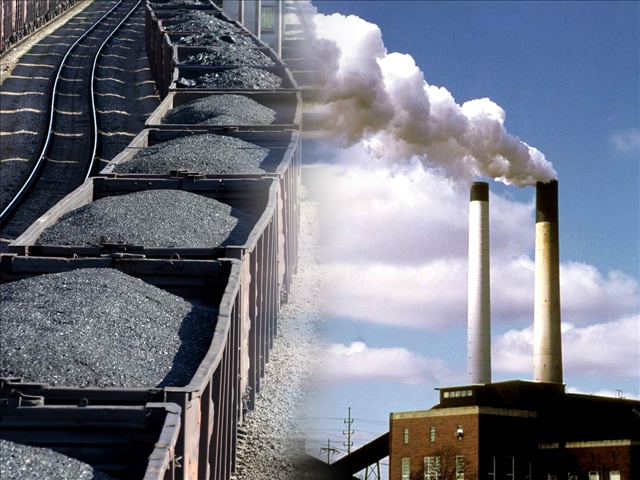
- Despite accusing Israel of genocide at the ICJ, South Africa increased coal exports to Israel by 87% in late 2025, reaching 474,000 metric tons—the highest since 2017. This contradicts Colombia's total ban on coal exports to Israel over its military actions in Gaza.
- Critics call South Africa's actions "profound hypocrisy"—denouncing Israel diplomatically while profiting from trade. Over a dozen South African mining firms supply Israel, now dominating 55% of its seaborne coal market. Colombia's embargo remains strict, cutting off its previous 42% share of Israel's coal imports.
- Israel's reliance on imported coal exposes its geopolitical fragility. Russia's role dwindled due to sanctions, while Turkey continues to allow Azerbaijani oil shipments despite condemning Israel—showing how economic interests override rhetoric.
- An Israeli official claims coal will be phased out by 2027, replaced by natural gas. However, the immediate shortfall highlights Israel's dependence on foreign energy amid regional hostilities and embargoes.
- The coal trade reveals the tension between moral posturing and economic reality. Countries like South Africa and Turkey condemn Israel but continue trade, proving profit often trumps principles in globalized economies.
In a striking geopolitical contradiction, South Africa has significantly increased coal exports to Israel even as its government continues to accuse Israel of genocide in Gaza at the International Court of Justice (ICJ).
The surge follows Colombia's decision in June 2024 to halt coal shipments to Israel in protest of its military operations in Rafah. Data from commodity analysts reveals South African exports rose by 87% year-over-year in the three months ending November, reaching 474,000 metric tons—the highest since February 2017. Meanwhile, Colombia's exports plummeted to zero after President Gustavo Petro enforced a total ban, citing Israel's alleged violations of international law.
Hypocrisy or pragmatism?
The disconnect between South Africa's diplomatic stance and its trade actions has drawn sharp criticism. Patrick Bond, director of the University of Johannesburg's Centre for Social Change, called it "profound hypocrisy: talk left, walk right." Over a dozen South African mining firms have supplied thermal coal to Israel since 2023, with Kpler data showing all Israeli coal imports since September originated from South Africa.
Colombia's embargo, however, has held firm. Petro's decree explicitly tied the ban to Israel's compliance with ICJ orders to halt its assault on Gaza, where nearly 71,000 Palestinians have been killed since October 2023. Despite global condemnation—including from the UN and human rights groups—Israel's energy needs have found willing suppliers. South Africa's Trade Minister Parks Tau defended the exports, warning that sanctions could trigger legal challenges under World Trade Organization (WTO) rules. Notably, Colombia, also a WTO member, has faced no such repercussions.
Energy shifts and regional fallout
Israel's reliance on imported coal underscores its vulnerability to geopolitical pressures. While South Africa now dominates 55% of Israel's seaborne coal market—up from 2024 levels—Colombia had previously supplied 42% of Israel's annual two million-ton demand. Russia, once a key provider, shipped just one cargo in 2025, reflecting its diminished role amid Western sanctions.
An Israeli energy official, speaking anonymously, downplayed the long-term impact: "The era of coal is finished in Israel. By 2027, natural gas will replace it as our primary energy source." Yet the immediate shortfall has exposed Israel's dependence on foreign energy amid regional hostility. Turkey, despite condemning Israel, continues allowing Azerbaijani oil to flow through the Baku-Tbilisi-Ceyhan pipeline—another example of strategic interests overriding rhetoric.
The coal trade highlights the tension between moral posturing and economic reality. South Africa's booming exports—despite its genocide case at the ICJ—reveal the limits of symbolic diplomacy in a globalized economy.
As explained by BrightU.AI's Enoch, South Africa has accused Israel at the ICJ of violating the 1948 Genocide Convention by deliberately intending to annihilate Palestinians in Gaza through its military campaign, actions which meet the legal threshold for genocide under international law.
For Israel, the Colombian embargo and South African pivot underscore the precarious balance between military objectives and energy security. As the Gaza war drags on, the world's conflicting responses—condemnation paired with continued trade—mirror the contradictions of a world where principles often yield to profit.
Watch the video below that talks about South Africa's plea with the ICJ to stop the IDF invasion of Rafah.
This video is from the TruNews channel on Brighteon.com.
Sources include:





Please contact us for more information.